IRAN TODAY
• 43,000 killed
• 350,000 injured
• 10,000 blinded
About this Document
This page documents, as clearly and factually as possible, what is being reported about events in Iran from January–February 2026 and continuing developments, based on eyewitness testimonies, named victim lists, human-rights reporting, investigative journalism, medical evidence, diaspora documentation, and international media coverage.
It does not ask for donations. It does not speak for a political party. It does not promote a single political model. It focuses on reported events, documented patterns, named victims, and mechanisms of repression described by witnesses, families, and human-rights organizations.
Where figures differ across sources, numbers are presented as source-attributed estimates, not as uncontested totals.
Situation Overview
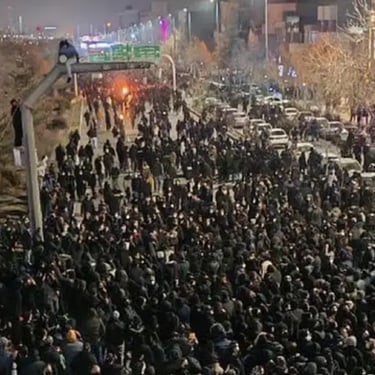
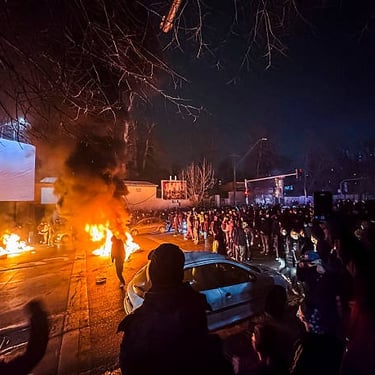
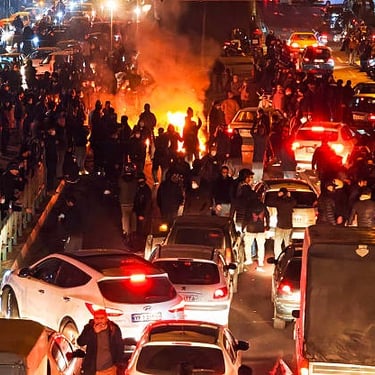
Iran is reported to be experiencing nationwide protests and unrest beginning in late December 2025 and intensifying through January and February 2026. Reports from multiple cities describe a severe state response including live gunfire in civilian areas, mass arrests, protest-linked executions, forced confessions, disappearances, raids on hospitals and medical facilities, chemical agent deployment in populated areas, and a near-total digital and communications blackout.
New documentation published during this period includes named victim lists, including more than 200 identified students and minors, detainee lists at risk of execution, prison abuse testimonies, and expanded international investigations. Several observers describe this phase as one of the most violent crackdowns in the history of the Islamic Republic.
Latest Documented Incidents and Reports
January–February 2026 Update
This update brings together newly documented events, eyewitness testimonies, victim identifications, detention accounts, and published investigations describing the situation inside Iran following the January protest wave. The material summarized here comes from residents, families of detainees, shared video evidence, medical images, activist documentation, and international media reporting.
For readers encountering this information for the first time: what is being reported is not a single clash or isolated security response. The collected testimonies describe a broad and repeated pattern across multiple cities, including the use of live ammunition in residential areas, large-scale arrests, disappearance of detainees, execution sentences following protest detentions, pressure for forced confessions, intimidation of families, and reported efforts to remove or conceal evidence.
This section explains what witnesses say they saw, what families report happened to their relatives, and what independent media investigations have published, in clear language and without assuming prior background knowledge.
Iran in January–February 2026 — What’s Happening?
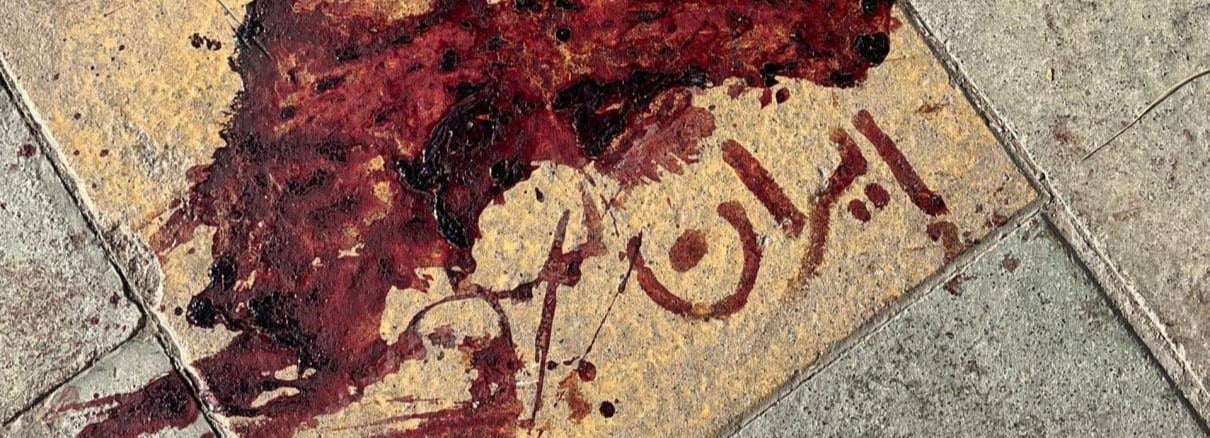
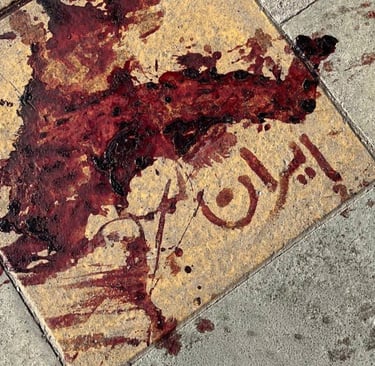
• 43,000 killed
• 350,000 injured
• 10,000 blinded
A Nationwide Uprising Against Decades of Oppression
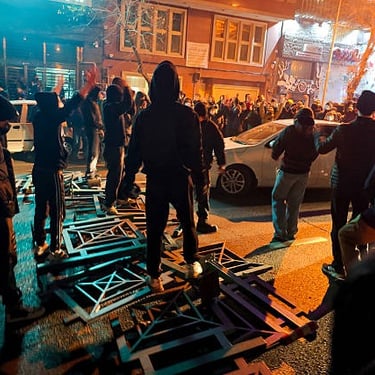
Mass protests that began in late December 2025 intensified into a nationwide movement by January 2026. People in cities across Iran took to the streets demanding fundamental change — not reform within the system, but an end to the current regime. This uprising was one of the largest in decades.
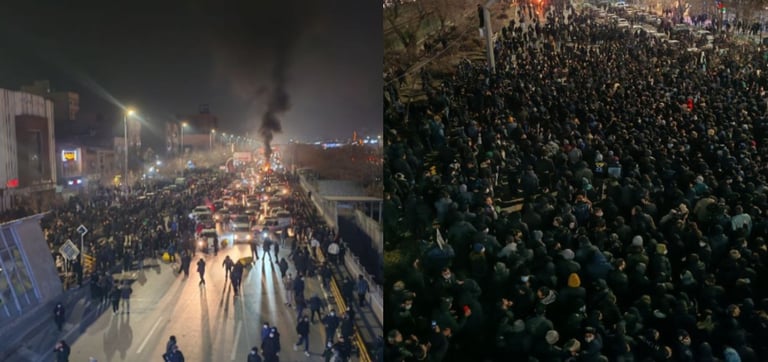
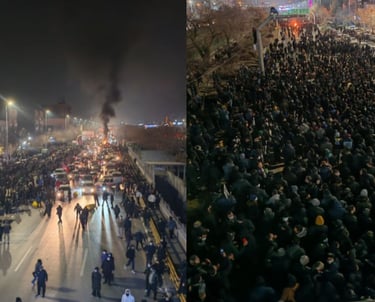
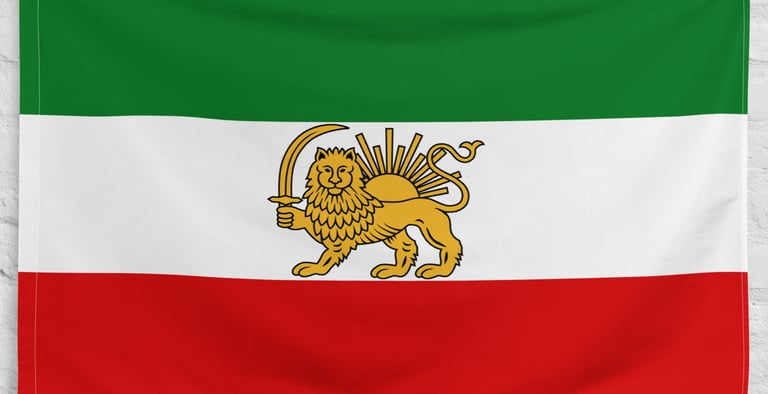
The protests grew beyond economic grievances (high inflation, food prices, economic collapse) and expanded into a broader political movement opposing state repression, chronic corruption, and decades of systemic injustice. Protesters chanted slogans such as “Death to the dictator” and “Long live the Shah”, and slogans like “This is the final battle, Reza Pahlavi will return” reflected deep anger at the ruling system and a desire for fundamental systemic change.
Why Reform Is Not the Goal
People Want Change, Not Adjustments
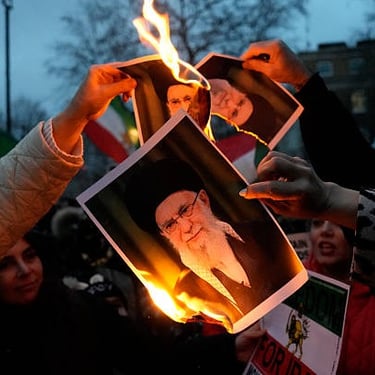
Large demonstrations within Iran and among diaspora communities explicitly call for the end of the Islamic Republic rather than reforms to it. Foreign reports note that thousands at recent rallies voiced support for full regime change, often chanting slogans against state leaders.
This reflects deep distrust of the existing political structure and a belief that partial reforms will not address systemic oppression, corruption, and human rights abuses.
Protesters are not calling for gradual reform within the current system; they are demanding regime change.
The scale of fatalities reported during the January 2026 protests is subject to widely varying estimates due to restricted information and internet shutdowns imposed by authorities. According to aggregated reporting:
The Iranian government has publicly reported around 3,117 deaths directly linked to the unrest.
Independent estimates, including those drawn from hospital reports and activist networks, suggest that the number of violent deaths could be many tens of thousands, possibly exceeding 40,000 or even more during the most intense peak days of January alone.
Rights groups have documented thousands more injured and tens of thousands arrested.
Mass Killing and Estimated Death Toll
These figures include confirmed civilian deaths, security personnel fatalities, and deaths under circumstances that are still being investigated.
Numbers and Names Both Matter
Under communications blackout conditions, totals alone are not sufficient. Documentation efforts now include name-by-name victim lists, student death lists, detainee lists, and execution-risk registers compiled by teachers’ unions, rights groups, and civil networks.
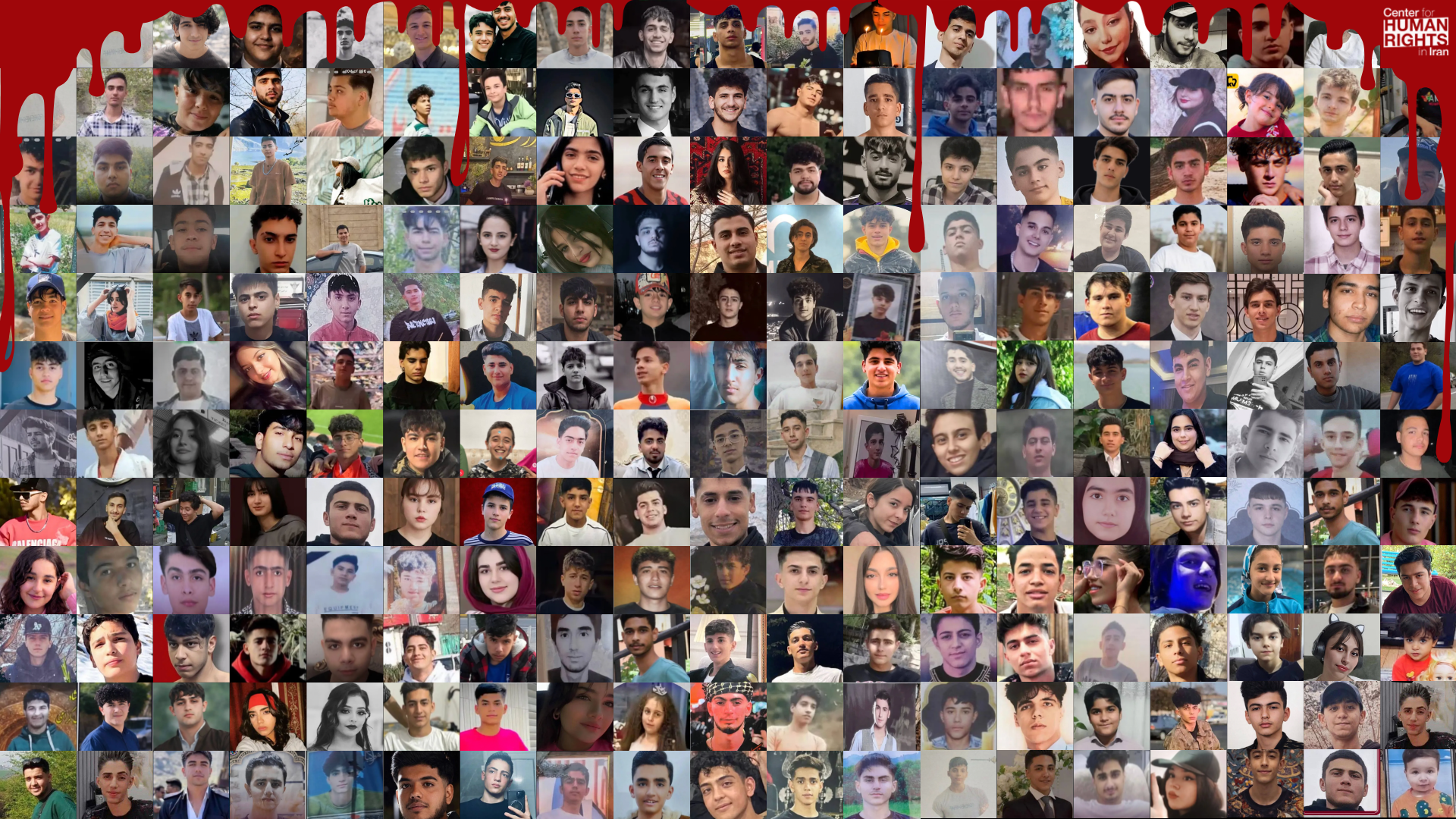
These lists aim to ensure victims are recorded as individuals, not only statistics, and to reduce the risk of disappearance through silence.
Digital Blackout: Concealment as Policy
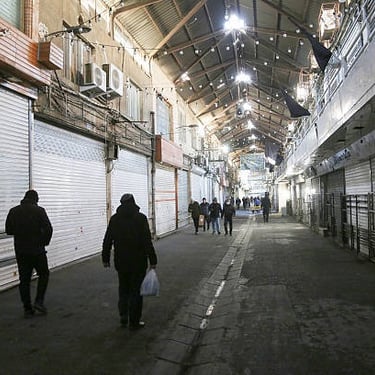
During the peak of the nationwide crackdown in January–February 2026, Iranian authorities imposed a near-total internet and telecommunications blackout, one of the most extensive in recent history. Network monitors, including NetBlocks, reported connectivity drops to near zero, cutting off mobile data, broadband, and many messaging services. This severely limited civilians’ ability to document killings, share accounts, coordinate safety, or contact family members inside and outside Iran.
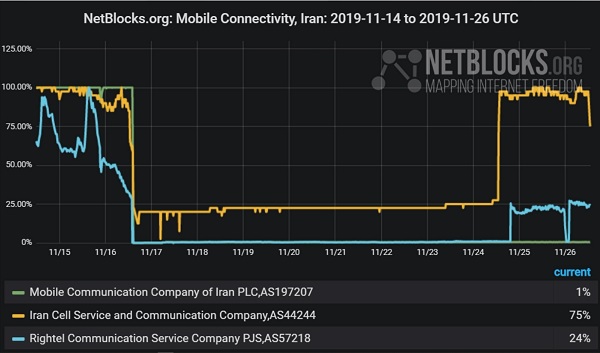
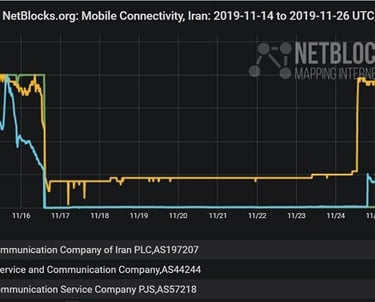
Monitoring data showed that connectivity stayed heavily restricted for more than two weeks, with only brief, partial rises likely due to tunneled VPN traffic rather than full access. Some analysts also noted signs suggesting attempts to simulate broader restoration through artificial traffic patterns. Independent reporting described these limited connections as “manufactured restoration,” where filtered access was presented as normal internet despite ongoing censorship.
Reported restrictions included:
Shutdown of mobile data and broadband
Blocking or disruption of major messaging apps and social media
Severe limits on international phone calls
Barriers for foreign journalists and independent observers
Filtering or blockage of VPN and circumvention tools
After roughly 10–20 days, connectivity began to return in a controlled and limited way. Full pre-shutdown access never fully recovered for many weeks, and significant restrictions on social media, secure messaging, and international communications remained in place.
During the most intense days, millions of Iranians abroad could not reach loved ones. In some areas, only one-way voice calls from inside Iran were possible, often at high and inconsistent cost.
As partial access resumed, new documentation emerged — including videos of live gunfire against civilians, verified casualty lists, forensic photos, and detailed eyewitness accounts that had been delayed under blackout conditions. The delayed release of this evidence highlighted how the blackout functioned to conceal the scale and brutality of the crackdown for as long as possible.
Why the Blackout Matters
Critics and activists view the blackout not merely as a security measure but as a tool of repression, designed to:
Prevent real-time documentation of killings and injuries
Disrupt protest coordination and safe movement
Slow global awareness and independent reporting
Allow time to remove or destroy physical evidence
Isolate victims and families from outside support
Under these conditions, casualty figures, detainee lists, and timelines can differ across sources, making name-by-name documentation, delayed eyewitness narratives, and third-party analysis critical to reconstructing events that occurred while open internet access was denied.
Across Iran and around the world, many people — including those who have lived through past protests or decades of political repression — have been profoundly shocked by the extreme violence used by the Islamic Republic’s security forces during the 2025–26 uprising.
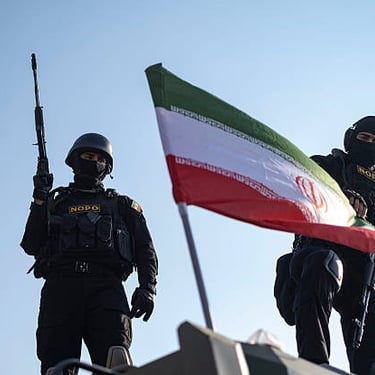
Independent documentation shows that during the peak days of protest on 8–9 January 2026, security forces — including the Islamic Revolutionary Guard Corps — fired live ammunition directly into crowds of protesters in multiple cities, including Tehran, Rasht, Isfahan and Fardis, causing mass casualties. Videos, eyewitness accounts, and forensic evidence confirm systematic use of assault rifles, shotguns, and other military-grade weapons against unarmed demonstrators and passers-by.
Reports indicate that previously Iran’s protests saw brutal repression, but rarely to the degree of open mass shootings in public marketplaces and major urban centres, combined with internet blackouts and blocked communication that prevented independent coverage. The pattern and intensity of shooting in early January has been widely described — including by international rights monitors and analysts — as one of the deadliest in the country’s modern history.
Witnesses and families inside Iran have expressed horror and disbelief that security forces were firing in residential areas and at crowds including elderly people, young adults, and children. Numerous accounts, including from independent photojournalistic sources, report demonstrators being shot in the head or vital organs, indicating not merely dispersal but lethal intent aimed directly at protesters and bystanders alike.
People Shocked by the Scale and Brutality of Violence in 2026
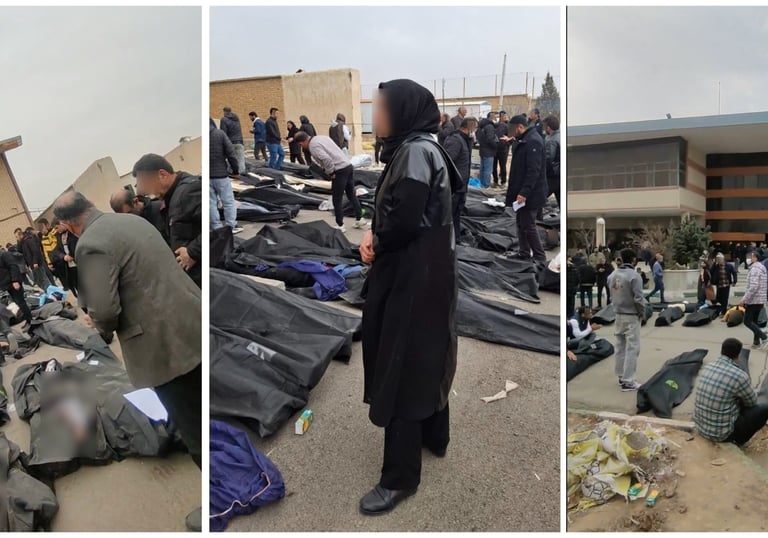
What distinguishes this period from previous protests is not only that people are taking to the streets, but that security forces opened direct live gunfire on largely unarmed civilians on an unprecedented scale:
Families who have lost loved ones during these days describe their shock not only at the deaths but at how the response appeared planned — using lethal weaponry against civilian populations rather than crowd-control measures — and then followed by communications blackouts that made independent reporting difficult and delayed public awareness of the scale of the violence
Many Iranians and observers around the world have contrasted this with previous waves of protest in 2019 and 2022. While those movements were met with serious violence, analysts and protesters themselves have said that the 2026 crackdown represents a new level of severity — involving coordinated live fire, mass casualties, and systematic attempts to conceal evidence including internet shutdowns.
Why People Are Against the Regime ?
The protests in Iran are not occasional or surface-level reactions to one event. They reflect decades of worsening repression, exclusion, and economic hardship, culminating in an unprecedented mass movement in January–February 2026.
People are not merely asking for reform of the existing system; they are demanding its end. This is rooted in long-standing public dissatisfaction with the regime’s policies, imposed ideology, and patterns of violence.
For nearly five decades since the 1979 Islamic Revolution, Iran’s government has systematically prevented basic political freedoms. Speech, assembly, peaceful dissent, and political participation outside the ruling framework are heavily restricted:
1. Decades of Political Repression
Independent parties and movements are suppressed or banned.
Reformist leaders have been marginalized, arrested, or neutralized.
Dissenting voices are censored; journalists, activists, and lawyers are often detained or silenced.
Over many years, even movements that began as protests for economic or social rights grew into broader calls for systemic change as people became convinced that meaningful reform within the existing ruling system was impossible.
The regime uses legal and extralegal means to control daily life:
2. Suppression of Basic Freedoms
Long-term internet blackouts are imposed regularly to restrict public coordination and evidence gathering during protests.
Communications are tightly controlled, and independent reporting from inside the country is often blocked or limited.
These measures are not new; they are part of a long pattern of preventing public discourse and maintaining control by restricting information flow.
Many Iranians see the political leadership and economic elites as deeply corrupt, monopolizing wealth and power while ordinary people struggle:
3. Systemic Corruption and Economic Hardship
Chronic inflation
High unemployment and poverty
Collapse of living standards
Misallocation of national resources
These economic pressures have compounded over decades, contributing to widespread frustration and anger.
Many protesters describe the regime as extremist in its interpretation of religion. They argue that:
4. Ideological Enforcement and Social Control
Theocratic rule enforces strict religious laws that are not reflective of Iran’s ancient cultural history, which predates Islam by thousands of years.
Policies such as compulsory hijab and harsh social rules are seen as imposed, not rooted in the society’s own heritage.
Many Iranians view these impositions as a distortion of their cultural and historical identity.
This feeling fuels opposition not only to political repression but also to the ideological foundations of the current system.
The use of executions and other forms of lethal repression is not limited to these two months:
5. Historic and Continued Use of Execution and Violence
Throughout the Islamic Republic’s nearly 50-year history, political prisoners and dissenters have been executed after trials that many human rights groups describe as lacking due process.
Reports describe a pattern of harsh sentencing, political imprisonment, and enforced disappearances extending far beyond the recent unrest.
The 2025–2026 uprising has dramatically increased international focus on these long-standing practices, but the underlying grievance — that the regime historically uses execution and violence to maintain power — is rooted in decades of policy.
International coverage and human rights advocacy highlight the Islamic Republic’s involvement in regional conflicts and support for proxy groups beyond Iran’s borders. Critics argue that thesepolicies:
6. Rejection of Terrorist Tactics and Support Networks
Prioritize regional influence over internal wellbeing
Divert national resources away from public welfare
Create international tensions
Many protesters argue that these external policies clash with the moral values of ordinary Iranians, who are not enemies of other nations and do not share antagonistic positions attributed to the regime.
Inside Iran, people emphasize that they are not enemies of Israel, the United States, or any other nation; they are struggling against their own government’s policies, not the people of other countries.
Protest slogans and actions increasingly reflect this distinction — Iranians are asserting that their fight is for dignity, freedom, and human rights, not regional hostility.
Witness accounts and reporting describe hospitals as unsafe spaces during the crackdown, including raids by security forces and the removal of wounded protesters.
Reported actions include:
Security forces raiding hospitals and medical facilities
Wounded protesters abducted from hospital beds
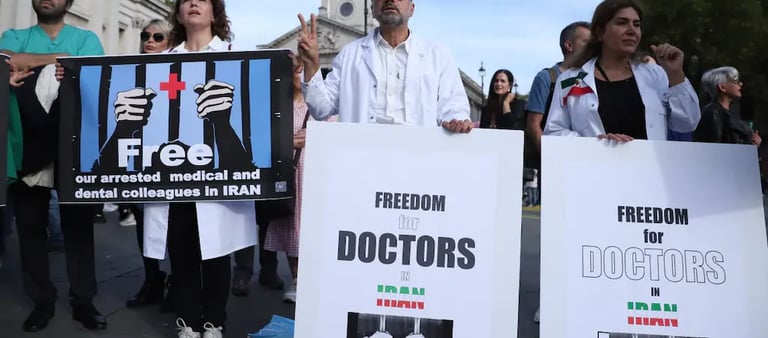
Doctors threatened, detained, or pressured for treating injured protesters
Medical facilities effectively integrated into the repression system
Hospitals as Instruments of Repression
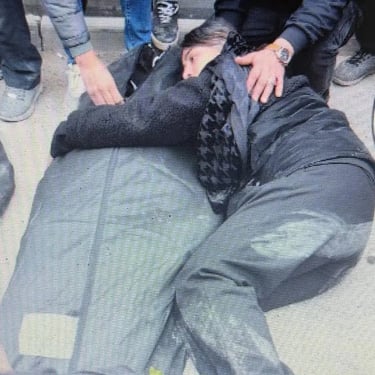
A Teenager in a Body Bag (IHRDC)
The Iran Human Rights Documentation Center (IHRDC) reported an account of a wounded protester—described as under 18—who survived by pretending to be dead.
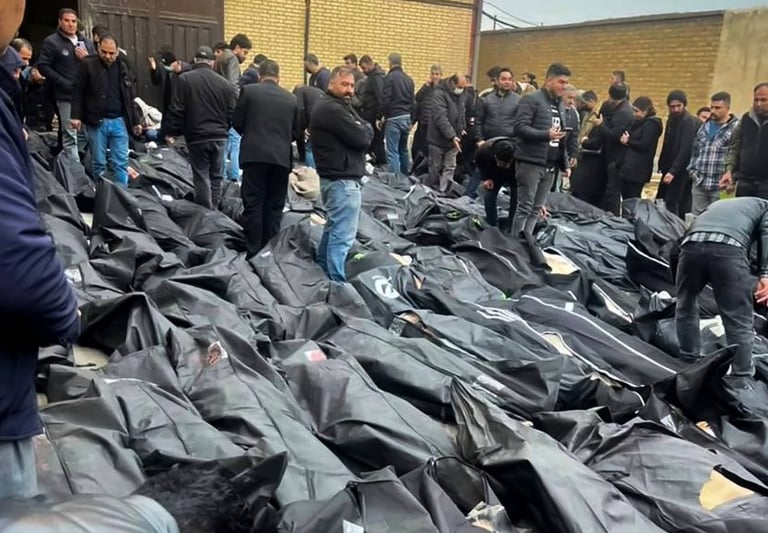
According to the account, the teenager was transferred alongside bodies to the Kahrizak Forensic Center south of Tehran and remained motionless inside a plastic body bag for three days, fearing execution if discovered alive.
Reported details from the testimony include:
Hearing cell phones ringing among corpses
Smelling the intense stench of decay
Hearing gunfire outside the facility
Surviving only because family members eventually found him alive
The account is presented by IHRDC as evidence that wounded protesters may be treated as targets and that forensic and medical institutions can be used to facilitate repression.
Eyewitnesses accounts under blackout conditions
An eyewitness account from protests in Mashhad on 18–19 January 2026 describes an extreme pattern of street repression: snipers firing from rooftops and targeting protesters in the head and chest.
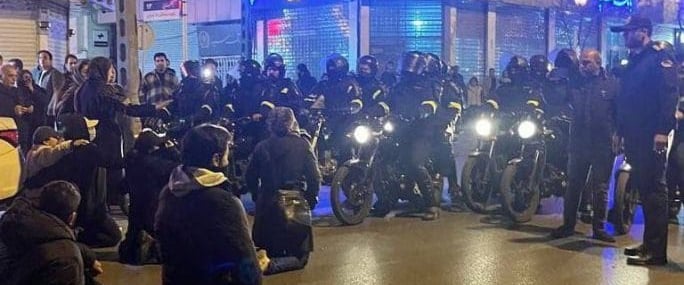
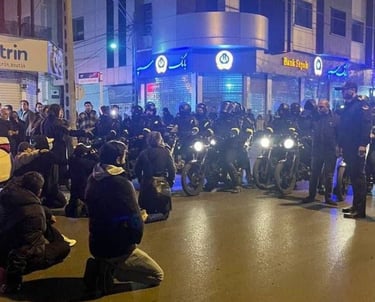
As nationwide internet disruptions and blackout conditions continue, firsthand narratives have become one of the few remaining ways to record and transmit what is happening inside Iranian cities. They are often shared after delays, through limited channels, and under high risk to witnesses and families.
Why this matters: blackout conditions do not reduce violence, they reduce visibility. Eyewitness testimony becomes a critical form of documentation when video verification and real-time reporting are deliberately blocked.
Executions, Disappearances, and Ransom
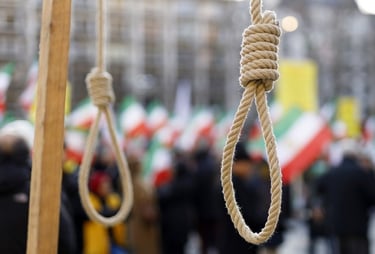
Multiple sources describe continued executions and death sentences linked to protest-related charges, often framed under vague legal categories. Other reporting describes bodies being withheld or released under coercive conditions.
Claims and reported patterns include:
Secret executions after expedited or unfair trials
Death sentences based on vague charges such as 'enmity against God' (moharebeh) or 'corruption on earth' (efsad-e fel-arz)
Bodies withheld unless families pay money; in some reports, families are pressured to issue statements about the cause of death
Bodies never returned and reports of mass burials in multiple cities
Under blackout conditions, verification is limited and many organizations report minimum confirmed numbers; the actual figures may be higher.
A Longstanding Pattern of Violence
Observers situate the January 2026 crackdown within a decades-long pattern of repression and lethal violence.
Commonly cited milestones include:
1979–early 1980s: Mass executions of political opponents following the revolution
1988: Prison massacres involving the execution of thousands of political prisoners
2009: Violent repression of Green Movement protests and subsequent prosecutions
November 2019: Large-scale killings during nationwide unrest (a Reuters investigation reported about 1,500 killed)
2022–2023: The Mahsa Amini ('Woman, Life, Freedom') uprising, with subsequent protest-related executions
January 2026: Renewed nationwide protests and severe crackdown under communications blackout
Representation and Transition
Reza Pahlavi, the exiled son of Iran’s last shah, has emerged as a central symbolic and practical figure for many protesters and Iranian diaspora supporters in the 2025–26 eruption of protests. Pahlavi has long been recognized internationally as a prominent opposition voice against the Islamic Republic, and his role has become especially visible during the recent wave of demonstrations.
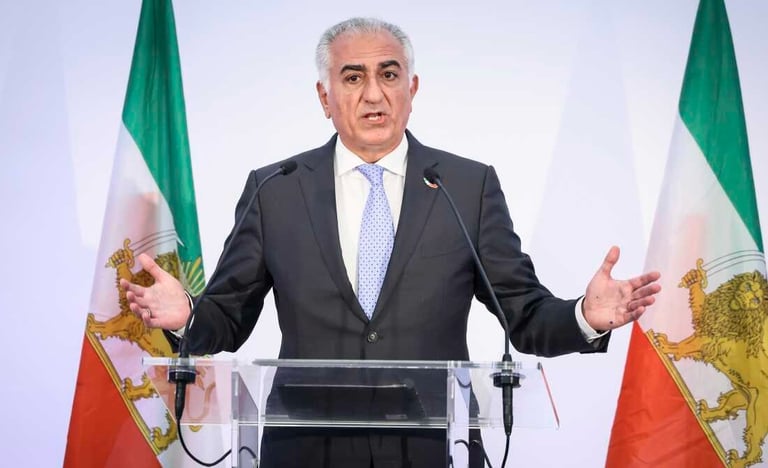
Pahlavi does not present himself as seeking the restoration of monarchy, but rather as a unifying leader representing a transitional vision toward a secular, democratic Iran. He has repeatedly emphasized that Iran’s future should be determined through free elections and broad democratic participation, and stated that he does not seek personal political power.
Reza Pahlavi, A Symbol, Voice, and Unifying Figure for Many Iranians
Throughout the protests, many Iranians inside the country have chanted slogans invoking his name, such as “This is the final battle, Pahlavi will return.” These chants — heard in cities across Iran despite intense crackdowns — reflect how many protesters view him as a symbol of resistance and a focal point for unity.
For many inside and outside Iran, Pahlavi’s name has become a rallying point — seen on banners, chanted from rooftops, and written on walls alongside slogans demanding freedom, dignity, and an end to the Islamic Republic’s rule. His presence at global events and engagement with diaspora communities have helped consolidate broad support among diverse groups who want not only reform but a complete transition toward democratic governance.
Reza Pahlavi remains one of the most visible voices in the opposition movement, representing both historical continuity and aspirations for a future where ordinary Iranians can shape their nation through democratic institutions rather than repression.
Global Solidarity and Worldwide Protests
Under communications blackout conditions, totals alone are not sufficient. Documentation efforts now include name-by-name victim lists, student death lists, detainee lists, and execution-risk registers compiled by teachers’ unions, rights groups, and civil networks.
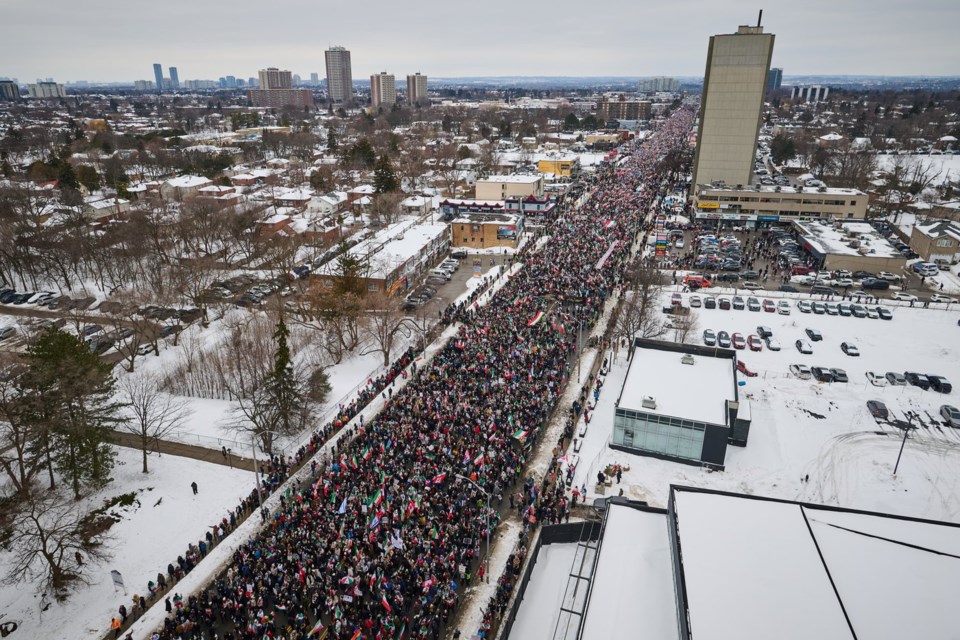
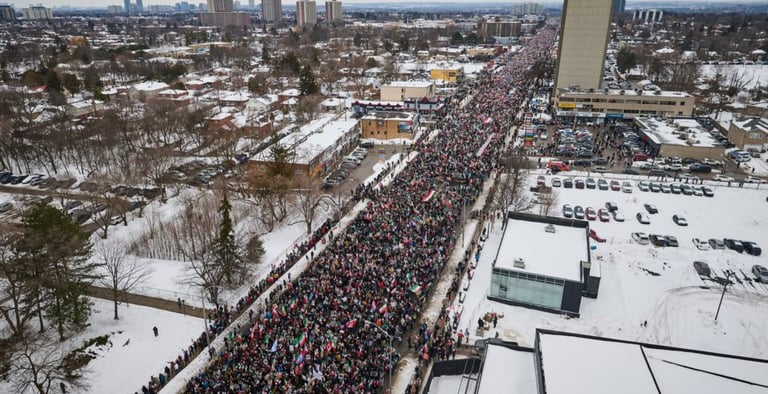
On 14 February 2026, Reza Pahlavi called for a “Global Day of Action” in solidarity with protesters inside Iran and against the Islamic Republic’s repression, calling on the world to stand with the Iranian people’s demand for freedom and systemic change. These were among the largest diaspora demonstrations in recent history.
Major Cities with Large Demonstrations:
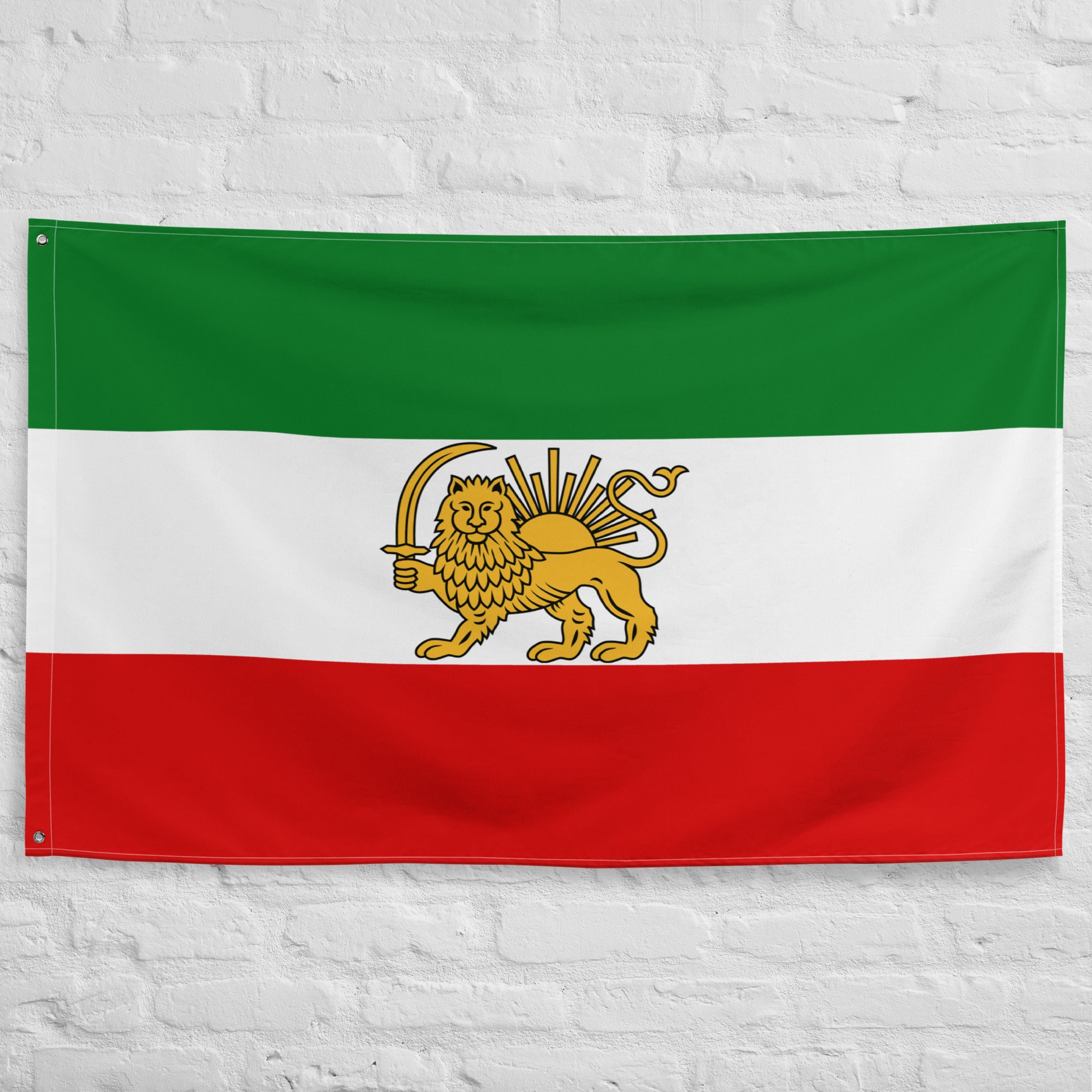
Munich, Germany: Approximately 250,000 people gathered — one of the largest Iranian diaspora rallies in Europe. Participants filled central squares and streets with Lion and Sun flags, chanting for regime change and human rights, and emphasizing solidarity with those still protesting inside Iran.
Toronto, Canada: Local police estimated around 350,000 ( some estmates say the number in Toronto has reahced participants in one of the largest protests in the city’s history. Demonstrators called for international pressure on Tehran and voiced support for the Iranian people’s demands.
Los Angeles, United States: Also approximately 350,000 people attended, making it one of the biggest diaspora gatherings worldwide. Los Angeles, home to one of the largest Iranian communities outside Iran, became a central stage for calls for global support and action.
Together, these three cities alone accounted for over one million participants worldwide on that day, and rallies also occurred in dozens of other cities globally.
Purpose of These Global Demonstrations
The global rallies had several objectives:
Show solidarity with the people inside Iran who continue to protest despite danger and repression.
Raise international awareness about human rights abuses and call for accountability.
Pressure foreign governments — especially in Europe, the United States, and other democracies — to take practical actions such as sanctions or diplomatic pressure on Tehran.
Express support for Reza Pahlavi as a unifying figure for a democratic transitional future, emphasizing that his role is not necessarily a return to monarchy but as a symbol of unity and representation of their demands for a freer, democratic Iran.
Rallies and solidarity marches were reported across at least 30 countries and more than 70 cities, from Europe to North America, Australia, and beyond, showing how widespread support for change has become among Iranian communities abroad.
Calls for International Support
The demonstrations also included appeals for international governments, including the United States and other global powers, to intervene diplomatically and economically — and in some cases to consider stronger measures — to protect civilians and pressure the regime to halt violence and repression. Leaders and speakers at these events reiterated that international assistance should focus on safeguarding human rights and civilian lives.
Children and Teenagers Killed
Reports from inside Iran and independent documentation reveal a devastating and heartbreaking aspect of the crackdown: hundreds of children and teenagers are believed to have lost their lives as a direct result of systemic violence by security forces during the protests.
“Two hundred children — two hundred empty desks; two hundred names that should never have been forgotten. This list is an indictment of a system that sees children as collateral in its own survival.”
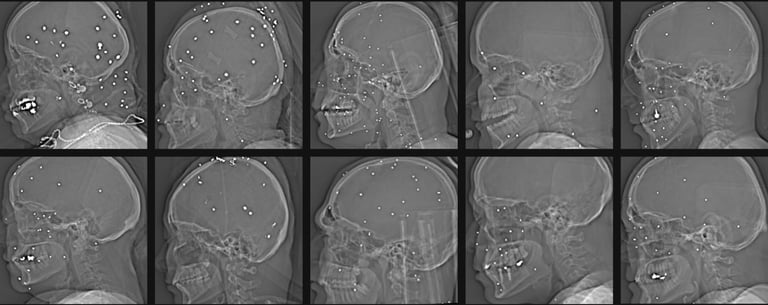
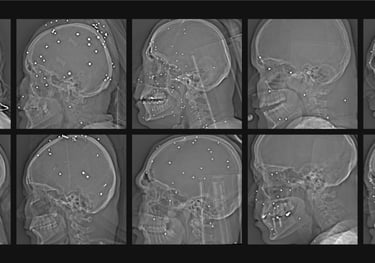
According to independent human rights documentation, at least 216 children have been killed, with many more under investigation; rights groups describe this as akin to “massacring an entire school”.
These are not statistics; these were students with real names, families, classrooms, hopes, and futures that were extinguished. Families across Iran — often under threat of pressure from authorities — have shared lists and information about these young victims.
The union’s statement stressed the human reality behind the numbers:
Witnesses and families inside Iran have described how some children were shot while simply walking home, joining their parents briefly, or observing demonstrations. Other young people were caught in indiscriminate fire in residential areas and marketplaces when security forces opened fire with assault rifles, shotguns, and other lethal weapons. Videos and forensic images verified by international media show gunshot wounds and bodies of minors alongside other casualties of the crackdown.
One of the gravest aspects highlighted by rights groups is that many of these deaths never became international headlines, and many of the children’s names were silenced for days or weeks due to internet blackouts and state suppression of information. Families have been prevented from holding proper mourning ceremonies or broadcasting the identities of their children’s deaths, leaving many names unreported outside Iran for too long.
Scale of Arrests and Growing Execution Risk
Large numbers of people have reportedly been detained since the January protests. Activists and legal observers report that detention numbers are now so high that complete name tracking is no longer possible.
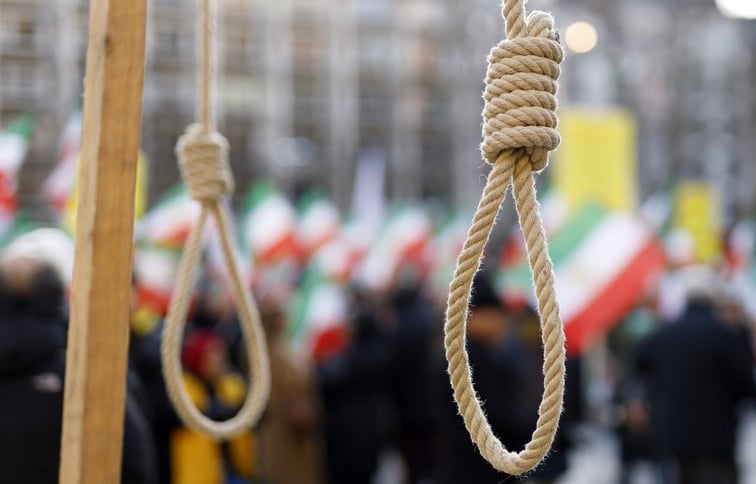
Circulating legal notices and detainee lists indicate that many arrested protesters face capital charges or execution risk. Families and lawyers report repeated procedural patterns:
Detainees held without transparent legal process.
Limited access to lawyers.
Closed hearings.
Pre-written confessions presented for signature.
Pressure to admit charges under coercion.
Rapid sentencing timelines.
Human rights advocates warn that some executions may occur without public visibility.
Crackdown, Killings, Mass Arrests, Torture, and Repression
Since the protests began in late December 2025 and spread through January and February 2026, the Islamic Republic’s response has included:
widespread lethal violence
mass detentions and enforced disappearances
torture and mistreatment in custody
executions without transparent process
denial of medical care and interference in hospitals
deployment of chemical agents in civilian areas
The result has been one of the most severe crackdowns in Iran’s modern history, with independent reports estimating thousands to tens of thousands of violent deaths and tens of thousands more imprisoned.
Detentions, Forced Confessions, and Execution Risk
Large numbers of people have been detained since the January protests began, and sources report that the volume of arrests is so high that complete tracking of detainees’ names is no longer possible.
Those detained are reportedly being held without transparent legal processes. Families and lawyers have stated that detainees have limited or no access to legal counsel, that hearings are often closed or not publicised, and that authorities have presented pre-written statements for detainees to sign, pressuring them to admit to charges under duress. Rapid sentencing timelines and trials without basic procedural safeguards have heightened fears that many may face execution without fair trials.
Targeting of Civilians and Bystanders
The violent repression has not been limited to active demonstrators. Reports from independent journalists and human rights groups confirm that bystanders and ordinary civilians have been killed or injured, even when not participating in protest activities.
In some of these cases, victims were found dead far from known protest sites, complicating identification and family notification.
Allegations of Torture, Mutilation, and Abuse in Detention
Human rights organisations have reported widespread and serious abuses in detention, including forced confessions obtained under duress, reports of beatings, and other mistreatment. One testimony from inside Iran alleged physical mutilation of detainees who refused to sign statements. While individual testimonies vary, these reports are consistent with broader patterns documented by rights groups.
Sexual Violence and Body Destruction Allegations
Independent media reports and rights group documentation have also accused security forces of sexual violence or assault against detained protesters. Combined reports from human rights watchdogs indicate that some detainees were subjected to sexual violence while in custody, continuing a pattern of abuse seen in previous protest crackdowns.
Medical Interference and Denial of Care
A U.N. expert reported that security forces have removed injured protesters from hospitals, detained them, and in some cases required families to pay ransom amounts to retrieve bodies — violations of medical neutrality and human rights law.
Chemical Agents and Crowd Control Tactics
There are reports that security forces used chemical agents in densely populated areas, including in front of schools and residential zones, increasing health risks and panic among civilians.
According to independent human rights documentation, at least 216 children have been killed, with many more under investigation; rights groups describe this as akin to “massacring an entire school”.
These are not statistics; these were students with real names, families, classrooms, hopes, and futures that were extinguished. Families across Iran — often under threat of pressure from authorities — have shared lists and information about these young victims.
The union’s statement stressed the human reality behind the numbers:
Why the Numbers Are Unclear
Precise casualty and arrest figures are difficult to establish during a near-total shutdown and heavy securitization. Reported obstacles include:
Internet shutdowns preventing real-time reporting
Rapid removal or destruction of evidence
Bodies buried quickly, sometimes in unmarked graves
Hospitals reporting injured protesters to security services
Doctors prosecuted or pressured for providing care
Families threatened into silence
No access for independent observers in many areas
International organizations typically publish minimum verified numbers. Many observers argue the uncertainty itself functions as a method of repression.
How Repression Operates
Reporting describes an integrated repression system with mutually reinforcing components:
Physical violence
Use of live fire, arbitrary detention, torture, and deaths in custody, sometimes officially attributed to suicide or pre-existing conditions.
Digital surveillance and censorship
Monitoring of communications; reported criminalization of VPN use; seizure of phones; and reported use of surveillance technologies including facial-recognition and tracking. During shutdowns, the state can restrict or sever connectivity altogether.
Economic coercion
Job loss, frozen bank accounts, revoked professional licenses, student expulsions, and collective punishment of families are described as tools to exhaust and deter dissent.
Psychological warfare and propaganda
Forced confessions on state television, threats to relatives, intimidation of communities, and deliberate disinformation campaigns.
Foreign Militias and Regional Networks
Some reporting alleges the use or presence of foreign-aligned militia elements in suppressing protests, including claims involving Iraqi Popular Mobilization Forces (Hashd al-Shaabi).
When Ali Khamenei deploys Hashd al-Shaabi fighters from Iraq into Iran to suppress civilians, this constitutes foreign intervention.
Yet global concern about “foreign interference” appears selectively applied.
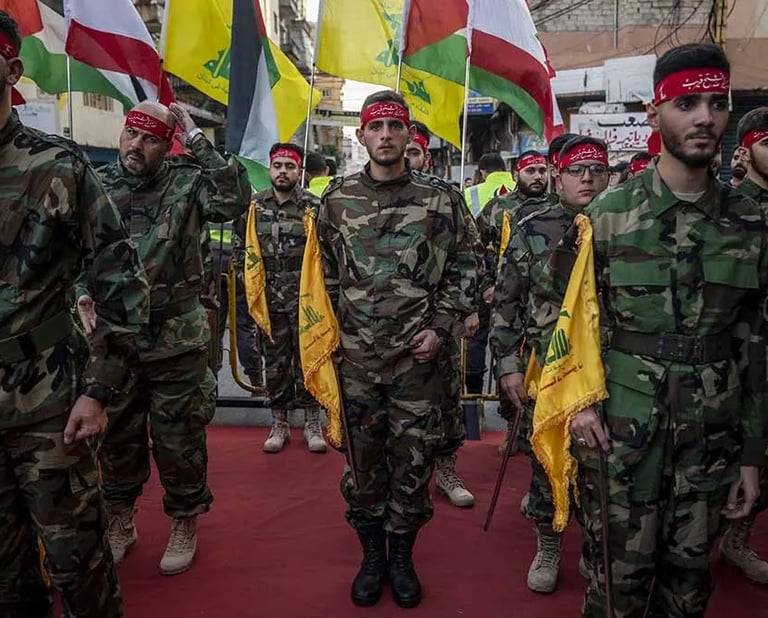
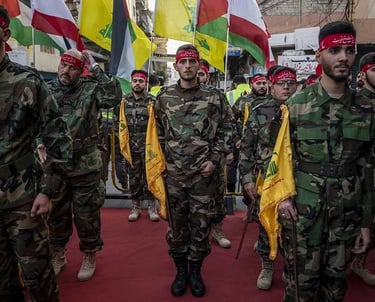
A central question raised by Iranians is why the world treats intervention as unacceptable only when it might help civilians, while ignoring intervention that helps the regime kill them. And global concern about 'foreign interference' can be selectively applied if foreign-aligned forces participate in repression while external support for civilians is criticized. They also argue that many Iranians reject alignment with armed proxies and are fighting the same networks that destabilize the region.
The Islamic Republic is also cited as a primary sponsor of regional militant groups, including:
Hezbollah (Lebanon)
Hamas
Palestinian Islamic Jihad
Kata'ib Hezbollah
Asa'ib Ahl al-Haq
Harakat Hezbollah al-Nujaba
Kata'ib Sayyid al-Shuhada
Harakat Ansar Allah al-Awfiya
Kata'ib Imam Ali
Saraya al-Ashtar
The argument made by many Iranians is straightforward:
A regime that fuels armed networks abroad while massacring civilians at home is not a normal state. It is a danger beyond its borders.
External Help
Some activists argue that a state willing to use mass lethal force against civilians is not acting as a normal government and poses wider regional risks. They report that many Iranians seek stronger international action to deter killings and shorten the bloodshed.
This position is debated among Iranians and internationally. Reported views range from calls for diplomatic isolation and accountability measures, to opposition to any foreign intervention. The common denominator across sources is the demand for protection of civilians and accountability for abuses.
Many Iranians argue the regime has eliminated internal paths to change by responding to dissent with mass killing, executions, and information blackout.
They state that:
they do not consider the United States or Israel enemies
they do not oppose external military pressure or even intervention if it stops mass killing sooner
many people inside Iran are hoping the United States will help, because the regime leaves no safe internal route
This is framed not as a call for occupation, but as a plea to stop a massacre and accelerate the end of a regime that kills on a massive scale.
Why the Islamic Republic is not “helping Palestinians”
The Islamic Republic’s posture on Palestine is not primarily humanitarian. It is a geopolitical strategy that uses the Palestinian cause to expand influence, build armed proxies, and justify repression at home. The result is support that does not reliably improve Palestinian civilian lives, while increasing cycles of violence, fragmentation, and external control.
1) Who they support and why that matters
The regime’s most consistent “support” has been military, financial, and logistical backing to armed groups, not neutral humanitarian aid. This matters because:
Armed factions are not the same as the Palestinian people.
Weaponized support tends to prioritize escalation over civilian welfare.
When armed factions are strengthened, civilians often pay the price through war, displacement, and coercion.
Groups commonly cited in this proxy network include Hamas, Palestinian Islamic Jihad, and other Iran-aligned militias across the region (including Hezbollah and Iraqi militias).
2) Why proxy warfare does not equal “help”
If the goal is to help civilians, outcomes should improve: safety, food/water/medicine access, stable governance, and freedom from intimidation. Proxy warfare typically does the opposite:
increases the likelihood of retaliation, sieges, and mass civilian suffering
pushes politics toward armed dominance rather than accountable governance
sustains maximalist narratives that keep people trapped in permanent conflict
This is why many Palestinians and many Iranians reject the idea that Iran’s approach is “help”: it often produces more ruin and less agency for ordinary people.
3) It undermines Palestinian self-determination
External backers rarely provide unconditional support; they shape decisions. When Iran funds or arms factions, it can:
influence escalation vs de-escalation choices
deepen divisions between Palestinian political camps
weaken the possibility of unified, representative leadership
A cause cannot be “liberated” if it becomes a tool inside someone else’s regional strategy.
4) It serves the regime’s survival and propaganda
The Islamic Republic uses Palestine to claim moral legitimacy while committing mass abuses at home. This provides the regime:
Deflection: shifting domestic anger outward
Justification: labeling dissent as treason and “foreign plots”
Recruitment: presenting itself as the “leader of resistance”
A state that kills and executes its own civilians while claiming moral leadership abroad is acting from survival logic, not humanitarian principle.
5) It doesn’t deliver what civilians actually need
Real humanitarian support is measurable and civilian-centered:
medical supplies and protected hospitals
food, water, sanitation systems
shelter and reconstruction
evacuation and humanitarian corridors
diplomacy aimed at reducing civilian harm
Iran’s signature contribution is not this. It is primarily militarized influence—often resulting in harsher collective consequences for civilians.
6) It exports conflict across the region
Iran’s Palestine posture is linked to a broader regional network (Lebanon, Syria, Iraq, Yemen). This internationalizes conflict and makes Palestinians part of a larger confrontation not controlled by Palestinians themselves, reducing agency and increasing escalation risk.
7) A morally consistent position
All three statements can be true at once:
Palestinian civilians deserve rights, safety, and self-determination.
The Islamic Republic does not represent Palestinians and is not a humanitarian actor.
Supporting Palestinians does not require supporting the Islamic Republic or proxy warfare.
Standing with Palestinians and standing with Iranians are not mutually exclusive. Caring about both means rejecting any regime or network that treats human lives as instruments.
This resource draws from verified sources including international human-rights organizations, investigative journalism, and firsthand accounts from inside Iran.
Numbers cited represent minimum confirmed cases where verification is possible. Actual figures may be higher due to systematic information suppression, intimidation of witnesses, and destruction of evidence.
This resource does not:
claim to be comprehensive
represent any political organization
substitute for direct Iranian voices
present speculation as fact
Some claims in this document are widely corroborated by multiple independent sources; others originate from a smaller set of sources because verification is constrained by a communications blackout, restricted access for journalists and monitors, and intimidation of witnesses.
To preserve credibility, this document distinguishes between:
Verified or widely corroborated reporting (multiple reputable sources)
Credible but hard-to-verify reporting under blackout conditions
Claims that remain unconfirmed or only partially substantiated
Sources and Transparency
Independent informational resource.
No political affiliation. No donations. No tracking.
Content based on human-rights reporting, journalism, and documented accounts under restricted conditions.
Last updated: January 2026.